





Designing Functional Garden Levels on Sloped Blocks Using Modern Retaining Solutions
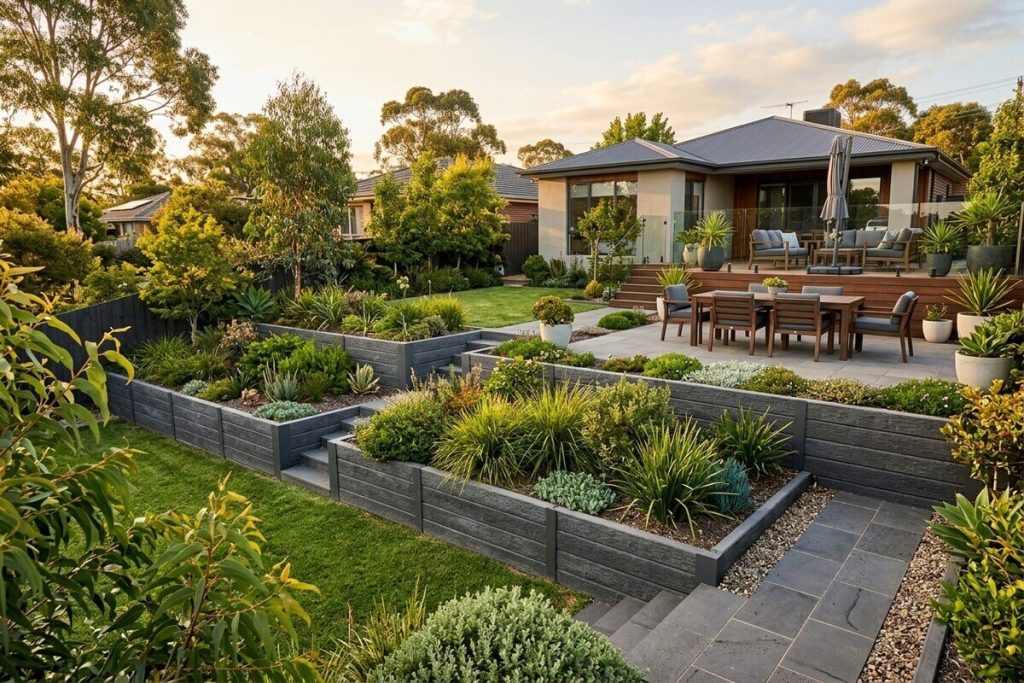
Sloped blocks are common across many Melbourne suburbs, presenting both challenges and opportunities for homeowners. While uneven terrain can initially seem limiting, thoughtful landscaping can transform a steep yard into a series of functional, visually appealing outdoor zones. By using modern retaining solutions, sloping land can be stabilised, organised, and turned into usable space for everyday living.
Rather than fighting the natural shape of the land, successful designs work with it. Carefully planned retaining structures allow homeowners to create flat areas for entertaining, gardening, or children’s play while maintaining proper drainage and long-term stability.
Understanding the Challenges of Sloped Sites
Building on a slope involves more than simply cutting into the ground or adding fill. Soil movement, water runoff, and structural pressure all need to be managed to avoid future problems. Without proper support, sloped gardens can suffer from erosion, uneven surfaces, and even damage to nearby structures.
This is where professionally designed retaining walls Melbourne properties often rely on become essential. Retaining walls hold back soil, create level surfaces, and prevent gradual shifting that can compromise landscaping features over time.
Melbourne’s reactive clay soils and seasonal rainfall patterns add another layer of complexity. Retaining walls must be built to handle moisture changes and ground movement, making material choice and installation quality critical to long-term performance.
Creating Usable Outdoor Zones Through Terracing
One of the most effective ways to maximise a sloped block is by dividing it into a series of stepped levels, a process known as terracing. Each level can serve a distinct purpose, turning previously unusable space into functional outdoor areas.
For example, different tiers might accommodate:
- A paved entertaining area close to the house
- Raised garden beds for planting
- Lawn space for children or pets
- Quiet seating areas further down the slope
Terracing not only improves usability but also enhances visual interest. Multiple levels create depth and structure, making the landscape feel intentional rather than constrained by the slope.
Well-designed transitions between levels — such as wide steps or gently sloping pathways — ensure the garden remains easy and safe to navigate.
Choosing Modern Materials for Strength and Longevity
Material selection plays a major role in the success of retaining systems. Modern solutions prioritise durability, low maintenance, and consistent performance under pressure.
Concrete sleepers Melbourne landscapers frequently recommend are among the most popular options for contemporary retaining walls. They offer high structural strength and resistance to rot, termites, and moisture, making them particularly suited to local conditions. Concrete sleepers also maintain their appearance over time, providing a clean, uniform look that complements modern homes.
In addition to strength, concrete sleepers are available in various finishes, including textured designs that mimic natural materials. This versatility allows homeowners to achieve either a sleek architectural style or a more natural aesthetic, depending on the overall landscape concept.
Proper drainage behind the wall is equally important. Without it, water pressure can build up and reduce the lifespan of the structure. Incorporating gravel backfill and drainage systems ensures the retaining solution performs reliably for many years.
Integrating Retaining Structures with the Overall Landscape
Retaining walls should never feel like purely functional additions. When integrated thoughtfully, they become key design features that shape how the outdoor space looks and functions.
Combining retaining structures with pathways, planting, and outdoor surfaces creates a cohesive environment. For instance, using complementary materials across walls and paved areas helps unify the design, while planting along the edges softens the appearance of structural elements.
Lighting can also enhance usability and safety, particularly on stepped levels or pathways used at night. Subtle illumination highlights changes in elevation and adds a welcoming atmosphere to the garden after dark.
By coordinating all elements — structure, circulation, planting, and materials — homeowners can create outdoor spaces that feel balanced and purposeful rather than dominated by engineering solutions.
Transforming Slopes into Valuable Living Space
A sloped block does not have to be a limitation. With the right approach, it can become one of the property’s most distinctive features. Modern retaining solutions allow homeowners to reclaim space, improve safety, and unlock the full potential of their land.
By investing in well-designed retaining walls Melbourne homeowners trust and durable materials such as concrete sleepers Melbourne landscapers rely on, outdoor areas can be reshaped into practical, attractive environments. The result is a garden that supports daily life while adding long-term value to the property.
When structure and design work together, sloped sites evolve from challenging terrain into dynamic landscapes that offer both beauty and functionality throughout every season.




- Choosing Pavers for a Melbourne Driveway: Strength, Style and Long-Term Value
- Spring Garden Reset: Preparing Your Melbourne Outdoor Space for the Warmer Months
- Matching Bricks and Materials for Heritage Home Renovations in Melbourne
- Garden Edging Ideas Using Pavers, Bricks and Sleepers for Melbourne Yards
- Using Natural Stone to Build Eye-Catching Feature Walls in Melbourne Landscapes
- How to Prepare Your Melbourne Outdoor Space for Winter With the Right Materials
- Creative Ways to Use Sleepers in Your Melbourne Garden Design
To learn more about our full range of quality landscaping
and masonry products, call us today:

 03 9887 0134