





Matching Bricks and Materials for Heritage Home Renovations in Melbourne
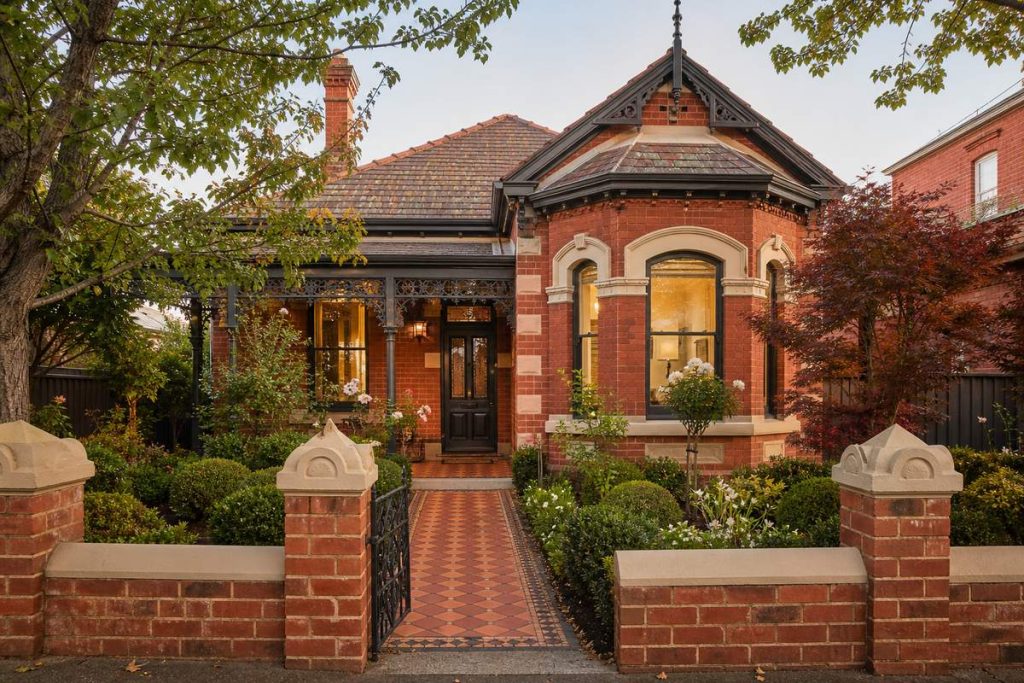
Melbourne is home to some of Australia’s finest heritage architecture. From ornate Victorians in the inner east to sturdy Edwardian homes across the northern suburbs, these properties carry a character that modern builds rarely match. When it comes time to renovate, extend, or restore the outdoor areas of a heritage home, choosing materials that respect the original style is essential.
Getting the bricks, pavers, and landscaping details right can mean the difference between a renovation that enhances the home’s charm and one that clashes awkwardly with its history. Here is a practical guide to matching materials for heritage home projects across Melbourne.
Understanding Melbourne’s Heritage Home Styles
Before selecting materials, it helps to know which era your home belongs to. Each period has distinct characteristics that influence the right material choices:
- Victorian (1850s–1900) — rich red and brown bricks, ornate detailing, decorative pier caps, tessellated tile paths
- Edwardian (1900–1915) — red brick with render accents, simpler lines, timber verandahs, brick front fences
- Interwar (1915–1940) — clinker bricks in browns and creams, Art Deco influences, geometric patterns
- Post-war (1940s–1960s) — cream and brown brick, low-pitched roofs, simple front landscaping
Knowing your home’s era helps narrow down which brick colours, textures, and finishes will blend naturally with the existing structure.
Choosing the Right Bricks for Heritage Projects
Matching bricks to a heritage home is about more than colour. Texture, size, and finish all play a role. Original Victorian-era bricks tend to be slightly rougher and more irregular than modern pressed bricks, while interwar clinker bricks have a distinctive bumpy, slightly glazed surface.
When building a new front fence, extending a side wall, or repairing damaged brickwork, the goal is to find bricks that sit comfortably beside the originals without looking obviously new. A perfect match is not always possible — and that is fine. A sympathetic match in tone and texture often looks better than an exact replica, because slight variation is natural in older brickwork.
At Fulton Brickyard, we carry a broad range of brick styles including traditional reds, warm browns, and cream tones that work well with Melbourne’s heritage housing stock. Bringing a sample of your existing brick to our yard is the best way to find a close match — our team sees these requests regularly and can guide you to the right product.
Paving That Complements Period Homes
The path leading to a heritage home sets the tone for the whole property. For Victorian and Edwardian homes, clay pavers in warm reds and terracottas are a natural fit. Their earthy tones echo the original brickwork and create a welcoming, period-appropriate entrance.
Concrete pavers in muted, natural colours also work well — especially for side paths, driveways, and rear entertaining areas where a subtle, low-key finish is more appropriate than a bold statement. The key is to avoid anything too contemporary or industrial-looking near the front of the home, where heritage character matters most.
For properties with existing tessellated tile verandahs, consider extending the pattern into the front path using complementary pavers. This creates a sense of continuity from the street to the front door that feels authentic and considered.
Pier Caps, Fencing, and Finishing Details
Heritage homes in Melbourne suburbs like Hawthorn, Kew, Malvern, and Northcote often feature brick front fences with decorative pier caps. These details are a hallmark of the Victorian and Edwardian eras, and replacing or restoring them with quality materials makes a significant visual impact.
When rebuilding a heritage front fence, match the pier cap style to the home’s era. Victorian homes suit more ornate, profiled caps, while Edwardian properties pair well with simpler flat or gently curved designs. The right cap finishes the fence with authority and ties the new work back to the period of the house.
Do not overlook smaller details either. Matching mortar colour, using an appropriate joint profile (raked joints suit older homes better than flush-finished joints), and selecting a coping style that complements the fence all contribute to an authentic result.
Landscaping Materials That Respect the Era
Beyond bricks and pavers, the wider landscaping around a heritage home should feel in keeping with its character. Natural stone is a timeless choice for garden edging, stepping stones, and feature walls — its organic texture sits comfortably alongside older homes without competing for attention.
Timber sleepers work well for defining garden beds and creating gentle level changes, especially in backyards where the heritage overlay is less strict. For front yards, stick to materials that echo the home’s original palette — warm tones, natural textures, and understated finishes rather than anything too polished or modern.
Planting can also play a role. Established gardens with cottage-style plantings, hedges, and mature trees complement heritage architecture far better than minimalist, hard-surfaced modern landscapes.
Get Expert Advice at Fulton Brickyard
Heritage renovations deserve materials chosen with care. At Fulton Bricks & Paving Supplies, we help Melbourne homeowners find the right bricks, pavers, pier caps, and landscaping products for projects that honour a home’s history while meeting modern standards. Visit us at 1 Burwood Hwy, Wantirna or call 03 9887 0134 — bring a brick sample and we will help you find the closest match.




- Artificial Turf for Melbourne Gardens: Benefits, Installation and Design Ideas
- Should You Seal Your Pavers? A Melbourne Homeowner's Guide
- How Many Pavers Do I Need? A DIY Guide to Calculating Paving Quantities
- Planning an Outdoor Entertaining Area and Fire Pit for a Melbourne Summer
- Choosing Pavers for a Melbourne Driveway: Strength, Style and Long-Term Value
- Spring Garden Reset: Preparing Your Melbourne Outdoor Space for the Warmer Months
- Matching Bricks and Materials for Heritage Home Renovations in Melbourne
To learn more about our full range of quality landscaping
and masonry products, call us today:

 03 9887 0134