





How to Maintain Sandstone and Terracotta Pavers for Long-Lasting Beauty in Melbourne
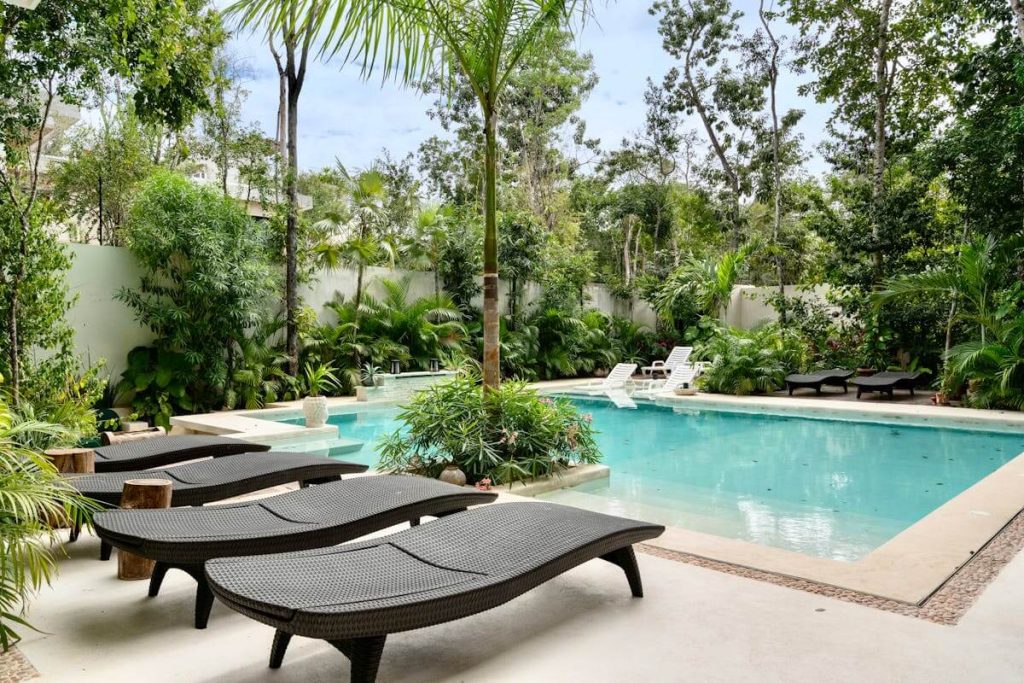
Terracotta and sandstone pavers are among the most popular choices for Melbourne homes, offering natural warmth, texture, and timeless appeal for patios, pathways, and outdoor living areas. However, their beauty can only be preserved with the right care. Melbourne’s climate — hot summers, occasional heavy rain, and cool winters — can challenge the longevity of these pavers if not properly maintained.
This guide provides practical advice on keeping your sandstone and terracotta pavers looking their best while ensuring they remain durable and long-lasting.
Understanding Sandstone and Terracotta
It’s important to know the characteristics of these materials before planning your maintenance.
Sandstone pavers are porous and absorb moisture, which makes them prone to staining if left unsealed. Their natural texture adds grip but can also collect dust and debris. Sealing is essential to protect against water damage, mould, and algae growth.
Terracotta pavers, made from kiln-fired clay, are more resistant to colour fading but still need care to prevent staining and growth of algae in damp or shaded areas. Both materials benefit from regular cleaning and occasional sealing to maintain their colour and durability.
Understanding these differences allows homeowners to select the appropriate cleaning products and methods, ensuring longevity and preserving the natural beauty of each material. Selecting high-quality pavers from a trusted supplier like Fulton Brickyard also ensures consistency in colour and strength, which makes maintenance easier.
Regular Cleaning and Maintenance
A simple cleaning routine is key to preserving the life of your pavers. Removing debris before it settles prevents long-term damage. For Melbourne homes, consider:
- Sweeping leaves, dust, and dirt regularly.
- Rinsing with a garden hose to remove surface grime.
- Addressing any stains or early signs of mould promptly.
For a deeper clean, use a pH-neutral cleaner or mild soapy water and a soft brush. Avoid harsh chemicals such as bleach or strong acids, which can damage sandstone or terracotta surfaces. Pressure washing sandstone is not recommended, as it can erode the surface and loosen jointing sand.
Regular cleaning not only keeps pavers looking pristine but also prevents slip hazards, particularly in areas around pools, outdoor dining spaces, or pathways.
Sealing Your Pavers
Sealing your pavers protects them against Melbourne’s weather conditions and reduces the effort needed for long-term maintenance.
Benefits of sealing include:
- Preventing water absorption and staining.
- Maintaining vibrant colour, especially for terracotta.
- Making cleaning easier and reducing the growth of algae or mould.
Recommended sealing frequency: sandstone every 18–24 months, terracotta every 12–18 months. Adjust based on sun exposure, foot traffic, and proximity to damp or shaded areas. Applying a sealant correctly is essential — it should penetrate the pores and form a protective layer without creating a slippery surface.
Managing Stains and Organic Growth
Even with regular cleaning, pavers can develop stains or green growth over time. Prompt attention is essential.
For organic growth, such as moss or algae, use an oxygen-based cleaner suitable for stone or terracotta and gently scrub with a soft brush. Oily or food-based stains can be treated with a small amount of baking soda, left for a few minutes, then rinsed thoroughly. Persistent stains may require a specialist stone or terracotta cleaner.
Regular monitoring helps prevent minor issues from becoming major problems. In addition, keeping surrounding areas free from excessive plant debris or overhanging trees can greatly reduce staining and algae growth.
Seasonal Care Tips
Adjusting maintenance to Melbourne’s seasons can help prolong the life of your pavers:
- Summer: Rinse regularly to remove dust and pollen, and consider a UV-protective sealant for terracotta.
- Autumn: Remove fallen leaves promptly to avoid staining.
- Winter: Ensure proper drainage to prevent water pooling, especially near retaining walls that Melbourne homeowners often have. Check for slippery surfaces caused by damp moss or algae.
Seasonal adjustments not only protect the pavers but also help maintain the overall safety and aesthetic appeal of your outdoor spaces throughout the year.
Final Thoughts
Sandstone and terracotta pavers can transform your outdoor space with natural beauty and texture. By following a simple routine of sweeping, gentle cleaning, sealing, and timely stain management, your pavers will remain durable and visually appealing for years.
When selecting your pavers, consider complementing them with other durable landscaping features, such as concrete sleepers Melbourne or well-constructed retaining walls. Thoughtful maintenance combined with quality materials ensures your outdoor areas stay both practical and stunning for decades.
Investing time in proper care not only preserves the visual appeal of your pavers but also protects your investment. With consistent attention, your sandstone and terracotta pavers will continue to add warmth, charm, and value to your Melbourne home for many years.




- How Many Pavers Do I Need? A DIY Guide to Calculating Paving Quantities
- Planning an Outdoor Entertaining Area and Fire Pit for a Melbourne Summer
- Choosing Pavers for a Melbourne Driveway: Strength, Style and Long-Term Value
- Spring Garden Reset: Preparing Your Melbourne Outdoor Space for the Warmer Months
- Matching Bricks and Materials for Heritage Home Renovations in Melbourne
- Garden Edging Ideas Using Pavers, Bricks and Sleepers for Melbourne Yards
- Using Natural Stone to Build Eye-Catching Feature Walls in Melbourne Landscapes
To learn more about our full range of quality landscaping
and masonry products, call us today:

 03 9887 0134