





A Guide to Protecting Your Brick Patio from Mould and Mildew
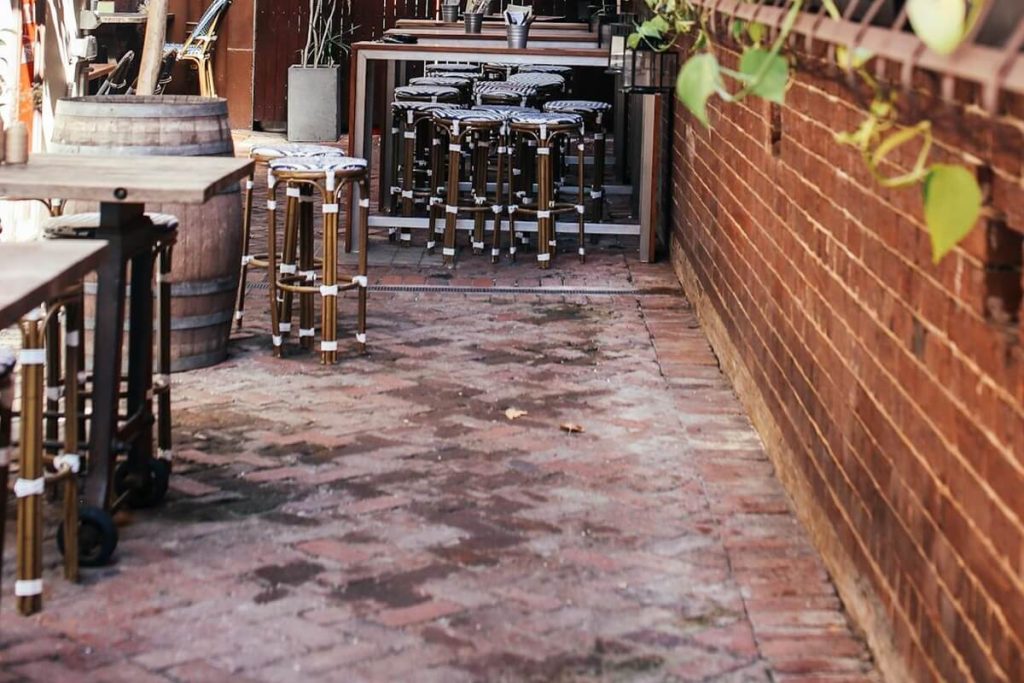
Brick patios can add a rustic charm to a home, and their traditional look has made them a popular choice amongst many homeowners. However, because bricks tend to be porous, they can retain moisture, which may result in mould and mildew growth, especially in more humid environments. Mould and mildew growths can not only be unsightly but may also be a safety hazard, especially if you have young children or seniors who might slip on them. In this post, we thus look at how you can protect your brick patio from mould and mildew growth.
Understanding Mould and Mildew
First, it can be helpful to understand the primary causes of mould and mildew growth on brick patios. Mould and mildew are types of fungal growth that can be caused by the presence of moisture combined with a lack of sunlight. This can occur on brick patios for reasons such as the porosity of brick and inadequate drainage systems. Common signs of mould and mildew growth include discolouration of the bricks, slippery surfaces and musty odours.
Removing Mould and Mildew
If your brick patio has already been affected by mould and mildew growth, it is crucial for you to remove any existing mould and mildew first before undertaking preventative measures to limit future growth. To do so, you can use a combination of cleaning solutions, such as vinegar and baking soda, along with brushes and hoses, to scrub off any mould and mildew. If the problem persists, you may wish to use a pressure washer to get rid of the more stubborn growths.
Preventative Measures
To effectively protect your brick patio from mould and mildew, it can, therefore, be a good idea to address the underlying causes of such growth. Some preventative measures that you can undertake include:
- Ensuring Proper Drainage: When designing your brick patio, consider sloping the patio surface slightly to allow excess water to easily flow away instead of being retained by the bricks. At the same time, clear the drains surrounding your brick patio whenever there is any indication of them being clogged to avoid a buildup of moisture.
- Sealing Your Bricks: You should also seal your bricks with a water-repellent sealant to limit the amount of moisture they absorb. This can be done regularly to ensure that the sealant layer remains intact.
- Cleaning Your Patio Regularly: You can also clean your brick patio regularly by sweeping away any debris and washing the patio surface to prevent conditions that are favourable to mould and mildew growth.
Replacing Your Brick Patio
If the problem is too severe, you may consider replacing the bricks in your brick patio as a last resort. Fulton Brickyard is the leading supplier of bricks and paving supplies in Melbourne, and we have a large selection of Boral bricks, brick pavers, and more to meet your needs. Contact us today for a free consultation to find out more about the products we offer!




- How Many Pavers Do I Need? A DIY Guide to Calculating Paving Quantities
- Planning an Outdoor Entertaining Area and Fire Pit for a Melbourne Summer
- Choosing Pavers for a Melbourne Driveway: Strength, Style and Long-Term Value
- Spring Garden Reset: Preparing Your Melbourne Outdoor Space for the Warmer Months
- Matching Bricks and Materials for Heritage Home Renovations in Melbourne
- Garden Edging Ideas Using Pavers, Bricks and Sleepers for Melbourne Yards
- Using Natural Stone to Build Eye-Catching Feature Walls in Melbourne Landscapes
To learn more about our full range of quality landscaping
and masonry products, call us today:

 03 9887 0134