





Spring Garden Reset: Preparing Your Melbourne Outdoor Space for the Warmer Months
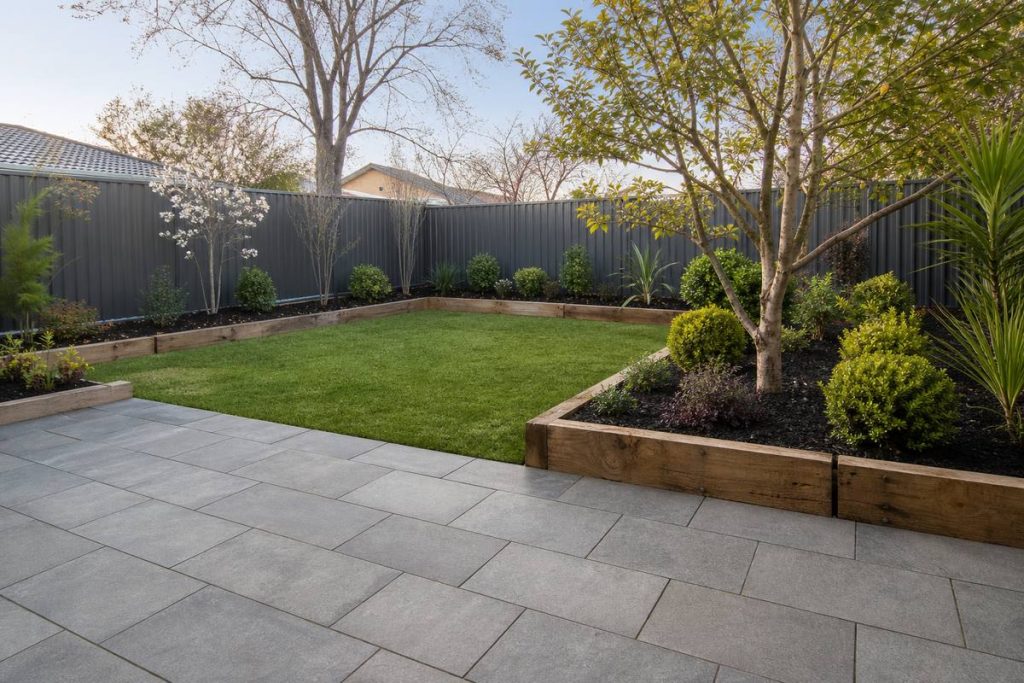
After a long, damp Melbourne winter, most backyards look a little tired. Paving is grey with grime, garden beds have slumped, timber edging has shifted and the barbecue area has become a storage zone. Spring is the natural moment to reset all of it — and the earlier in the season you start, the more time you have to enjoy the results before the December rush of visitors, birthdays and long evenings outside.
The good news is that a spring reset does not have to mean a full landscaping overhaul. A weekend of cleaning, a few repairs and one well-chosen improvement will lift a yard enormously. Here is how we suggest Melbourne homeowners work through it, in the order that saves the most effort.
Start With a Proper Clean, Not a Quick Hose
Winter leaves a film of organic growth on almost every hard surface. Moss, lichen and algae build up in the shaded southern side of the house and in the joints between pavers, and they are the main reason paving looks aged well before its time. Sweep thoroughly first, then wash surfaces with water and a suitable outdoor cleaner, working in sections so nothing dries mid-clean.
Keep pressure washers on a wide fan setting and hold the nozzle well back. High-pressure water aimed too close will blast jointing sand out of the gaps and can etch softer surfaces such as sandstone. Once the surface is clean and fully dry, top up any joints that have emptied — that sand is what stops pavers rocking underfoot.
- Clean paving, steps and pool surrounds early in spring while temperatures are mild
- Clear leaf litter from drains, grates and the base of retaining walls
- Cut back growth that has crept over edging or into paving joints
- Check for lifting or rocking units before entertaining season
Fix the Small Failures Before They Grow
Spring is when winter damage becomes obvious. Look for pavers that have settled into hollows, edging that has bowed outward, and sections of retaining wall where soil has washed through. Each of these is a small job now and a much larger one in twelve months.
Sunken paving is usually a bedding issue rather than a paver issue. Lift the affected units, top up and re-compact the bedding sand, then relay and re-sand the joints. If several areas have moved, check whether water is being directed under the paving — poor drainage is almost always the underlying cause. Where garden beds have pushed against timber, replacing a tired run with new timber or concrete sleepers gives a crisp line that will hold for years.
Refresh the Soft Landscaping
Once the hard surfaces are sorted, turn to the beds. Melbourne soils vary enormously across the eastern suburbs — heavy clay through Wantirna, Vermont and Ringwood, sandier profiles further south — so a spring top-up of quality soil and compost pays for itself in plant performance over summer.
Mulch is the single most valuable thing you can add before the hot months. A layer 50 to 75 millimetres deep keeps moisture in the root zone, suppresses weeds and steadies soil temperature through heat spikes. Keep it clear of plant stems and trunks, and top up rather than digging the old layer through. Our landscaping supplies range covers soils, mulches, sands and aggregates by the cubic metre, which works out far cheaper than bagged product for anything beyond a courtyard.
Plan One Improvement Project
Beyond maintenance, spring is the best window for a genuine improvement. The weather is workable, materials are easy to handle and the ground is neither waterlogged nor rock hard. Projects that consistently deliver for Melbourne homes include:
- A paved seating area sized around your outdoor table, so chairs are never half on grass
- A defined path from the back door to the shed or clothesline, ending the winter mud track
- A low retaining wall to level a sloping section and create usable lawn
- A refreshed front entry with new steps, pier caps or a wider landing
Paving is the most common starting point because it changes how a space is used, not just how it looks. Our paver range spans concrete, clay and natural stone in formats suited to everything from a compact courtyard to a full entertaining terrace, and staff can help you match colour and texture to existing brickwork.
Get the Drainage Right While You Can See It
Spring is also the last chance to observe how water moves across your block while rain is still regular. Watch during the next decent downpour and note where water pools, where it runs against the house and where it undercuts garden beds. Falls of around one in a hundred across paving are enough to shed water without being noticeable underfoot.
If a retaining wall showed damp patches or bulging over winter, deal with it now. Drainage aggregate behind the wall and a functioning ag line matter more than the wall material itself. Our retaining wall products and aggregates are available together, so you can collect everything the job needs in one trip.
A Realistic Spring Timeline
Spread the work across the season rather than trying to do it in one heroic weekend. Early September suits cleaning and repairs. Late September and October are ideal for soil, mulch and planting. October and November are the right window for a build project, leaving time to settle before Christmas.
Order materials a little ahead of when you need them. Spring is our busiest season, and popular pavers and sleepers move quickly once the first warm weekend arrives.
Talk to the Team at Wantirna
Fulton Bricks & Paving Supplies has been helping Melbourne homeowners and landscapers get outdoor projects right for years. Bring your measurements, a photo of the existing space and a rough idea of the look you are after, and we will help you work out quantities and options. Visit us at 1 Burwood Hwy, Wantirna, call 03 9887 0134, or get in touch to talk through your spring plans. You can also browse the full range on our website before you visit.




- How Many Pavers Do I Need? A DIY Guide to Calculating Paving Quantities
- Planning an Outdoor Entertaining Area and Fire Pit for a Melbourne Summer
- Choosing Pavers for a Melbourne Driveway: Strength, Style and Long-Term Value
- Spring Garden Reset: Preparing Your Melbourne Outdoor Space for the Warmer Months
- Matching Bricks and Materials for Heritage Home Renovations in Melbourne
- Garden Edging Ideas Using Pavers, Bricks and Sleepers for Melbourne Yards
- Using Natural Stone to Build Eye-Catching Feature Walls in Melbourne Landscapes
To learn more about our full range of quality landscaping
and masonry products, call us today:

 03 9887 0134