





Choosing Pavers for a Melbourne Driveway: Strength, Style and Long-Term Value
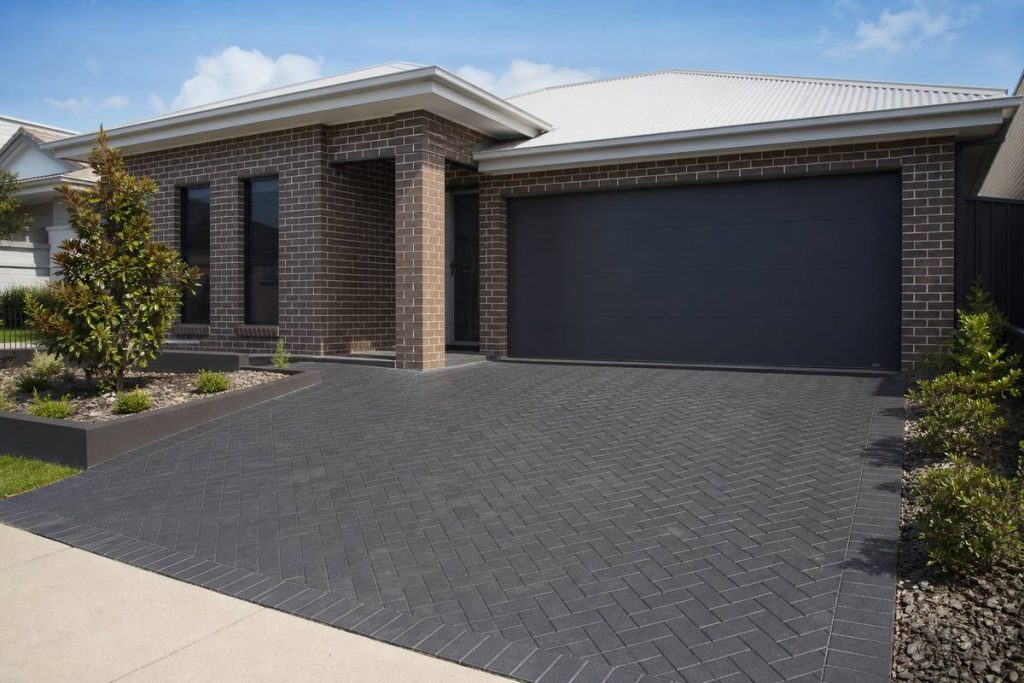
A driveway is the hardest-working surface on any property. It carries the weight of vehicles every day, sits fully exposed to sun and rain, and is the first thing anyone sees when they arrive. Yet it is often the last surface homeowners think about upgrading — usually right up until the concrete cracks or the gravel washes down the slope one more time.
Pavers are a strong option for Melbourne driveways because they combine genuine load capacity with a finished look that suits both period homes and contemporary builds. Here is what actually matters when choosing them.
Thickness Is the First Decision
Not every paver is a driveway paver. Pedestrian paving is commonly around 40 millimetres thick, which is fine for a courtyard but will crack under a vehicle. For domestic driveways, look for units of at least 50 to 60 millimetres. Where a heavier vehicle, caravan, boat trailer or delivery truck will use the driveway, step up again.
Thickness works together with the base underneath. A thick paver over a poorly prepared base still fails; a correctly rated paver over a properly compacted base will carry decades of daily traffic. Always tell your supplier what will be driving on the surface, not just the area you need to cover.
Base Preparation Does the Real Work
Most driveway failures are base failures. On Melbourne’s reactive clay soils, which swell and shrink dramatically between a wet winter and a dry February, a shallow base will move and take the paving with it.
- Excavate deep enough for a substantial compacted crushed rock base, typically 150 millimetres or more for domestic driveways
- Compact the base in layers rather than all at once
- Lay a consistent bedding sand layer, screeded evenly, not used to correct base humps
- Restrain the edges properly — unrestrained pavers creep outwards under turning wheels
Edge restraint deserves particular attention. Vehicles turning at the kerb or into a garage put sideways force on the outermost row, and without a concrete haunch or a solid edge those pavers will gradually splay apart.
Choosing a Material and Colour
Concrete driveway pavers are the most common choice: they are consistently sized, strongly rated and available in a wide range of tones. Clay pavers, made from fired brick material, hold their colour permanently because the colour is in the clay rather than a surface coating — a real advantage on a surface in constant sun. Some natural stone formats are also suitable for driveways when specified at the correct thickness.
On colour, resist the temptation to go very pale or very dark. Light driveways show oil and tyre marks; very dark ones show dust and become uncomfortably hot underfoot in summer. Mid-tone charcoals, greys and warm earth tones hide everyday marking best and age gracefully.
Test colour on site rather than in the yard. Take a sample home, place it against your brickwork, roof and window frames, and look at it in both morning and afternoon light. A paver that looked perfect under shed lighting can read completely differently against a red-brick facade in Croydon or a rendered facade in Glen Waverley.
Patterns That Suit Vehicle Traffic
Laying pattern affects performance, not just appearance. Herringbone, laid at 45 or 90 degrees, is the strongest pattern for driveways because the interlocking arrangement spreads load sideways and resists the creeping movement caused by braking and turning. Stretcher bond looks tidy and is simpler to lay, but is better suited to lighter traffic.
Stack bond, with all joints aligned, should be avoided on driveways entirely. Whatever pattern you choose, a soldier course border around the perimeter gives a crisp finished edge and helps lock the field in place.
Working Out Quantities
Measure the length and width of the driveway and multiply for the area, then add ten per cent for cuts and future repairs. Angled or curved driveways generate more offcuts, so allow closer to fifteen per cent. Keeping a small stack of spare pavers is genuinely worthwhile — if a unit cracks in five years, a matching replacement takes minutes, while an unavailable batch means an obvious patch.
Bring your measurements to the yard and we will confirm quantities with you, along with the base material, bedding sand and jointing sand required. Our paver range includes formats rated for domestic driveway use, and staff can point you to the ones that suit your traffic and style.
Maintenance and Repairs
A paved driveway is easy to look after. Sweep regularly, wash annually, and top up jointing sand where it has washed out. Treat oil spills promptly with an appropriate degreaser rather than letting them soak in. Sealing is optional but helps resist staining and deepens colour — reapply every few years as the finish dulls.
The maintenance advantage over poured concrete is repairability. If a service trench is needed or a small area settles, individual pavers lift out and go back down without a visible patch. That flexibility is a large part of why paved driveways hold their appearance so well over time.
Visit Us in Wantirna
Fulton Bricks & Paving Supplies stocks driveway-rated pavers, base and bedding materials and edge restraint products at 1 Burwood Hwy, Wantirna. Come and see full-size samples in daylight before you commit — it is the best way to judge colour and texture. Call 03 9887 0134, contact us, or browse the range on our website.




- How Many Pavers Do I Need? A DIY Guide to Calculating Paving Quantities
- Planning an Outdoor Entertaining Area and Fire Pit for a Melbourne Summer
- Choosing Pavers for a Melbourne Driveway: Strength, Style and Long-Term Value
- Spring Garden Reset: Preparing Your Melbourne Outdoor Space for the Warmer Months
- Matching Bricks and Materials for Heritage Home Renovations in Melbourne
- Garden Edging Ideas Using Pavers, Bricks and Sleepers for Melbourne Yards
- Using Natural Stone to Build Eye-Catching Feature Walls in Melbourne Landscapes
To learn more about our full range of quality landscaping
and masonry products, call us today:

 03 9887 0134