





Designing Low-Maintenance Outdoor Spaces with Durable Paving Materials
Creating an outdoor space that looks great year-round without demanding constant upkeep is a priority for many Melbourne homeowners. With busy lifestyles and unpredictable weather, the ideal landscape is one that stays clean, stable, and visually appealing with minimal work. One of the most effective ways to achieve this is by choosing durable, low-maintenance paving materials that can handle Melbourne’s varied conditions — from hot summers to steady winter rainfall. The right pavers not only transform the look of your outdoor areas but also significantly reduce long-term maintenance needs.
Choosing Low-Maintenance Materials That Last
A low-maintenance landscape begins with selecting the right materials. Melbourne homeowners often look for paving solutions that offer strength, weather resistance, and timeless visual appeal without requiring frequent sealing or specialised cleaning. This is where durable options like pavers, pavers Melbourne, and natural stone materials, including sandstone pavers, come into play.
Concrete pavers remain one of the most reliable choices due to their high compressive strength and long lifespan. They handle foot and vehicle traffic exceptionally well and rarely crack when installed correctly. Homeowners appreciate their consistency and the wide range of shapes and colours available, making them suitable for driveways, garden paths, and backyard entertaining areas. Their weight and structure also help prevent shifting, which is a common long-term issue with less durable materials.
Meanwhile, sandstone pavers offer a more organic appearance that blends beautifully into garden-heavy landscapes. Their naturally textured surface adds grip, which makes them ideal for pathways, pool surrounds, and areas exposed to moisture. Although sandstone is porous, choosing a high-quality variety and properly sealing it during installation keeps maintenance minimal. Once sealed, these pavers generally only require periodic sweeping and an occasional rinse to stay in top shape.
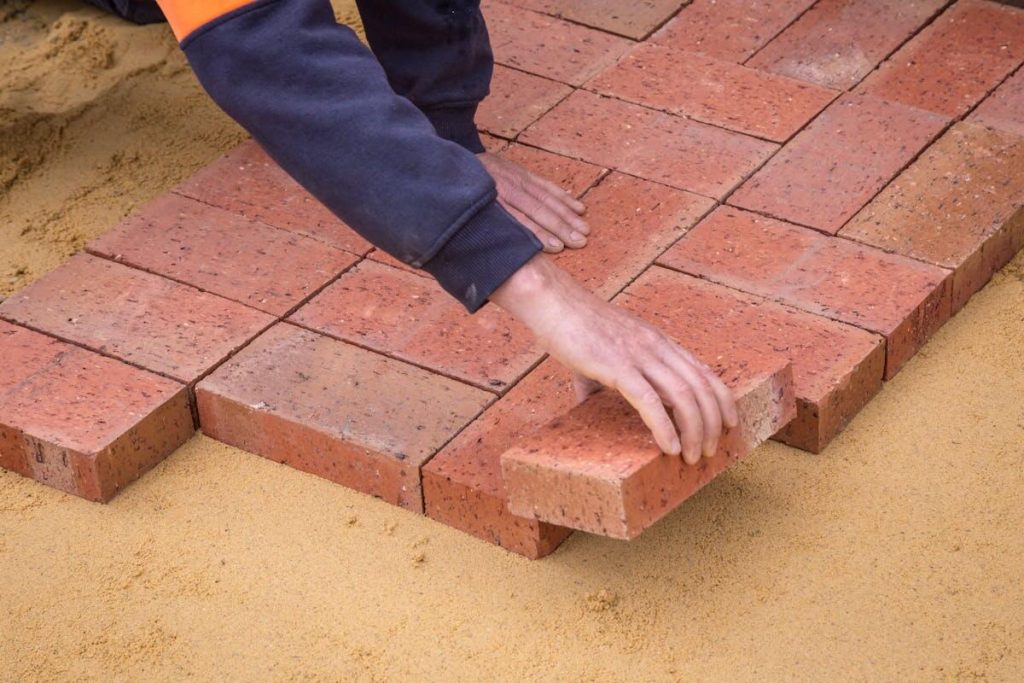
Clay pavers are another excellent low-maintenance option. They retain their colour exceptionally well because their earthy tones run through the entire brick, rather than being applied as a surface finish. This makes them resistant to fading — a major advantage in sunny, exposed areas. Clay pavers also have a classic, timeless appeal that suits both heritage-style and contemporary Melbourne homes.
Regardless of the material you choose, selecting a durable paver with long-term performance in mind ensures your outdoor space stays attractive and functional for years with very little intervention.
Smart Design Choices for Easier Maintenance
Beyond the materials themselves, the overall design of your outdoor space can greatly influence how much upkeep is required. Thoughtful planning helps reduce long-term issues like shifting pathways, pooling water, uneven surfaces, or weed growth.
One important design principle is ensuring proper drainage. Paver surfaces need to be laid on a stable base with a gentle slope that guides water away from the home and prevents pooling. This not only reduces slip risks but also prolongs the lifespan of your paving by preventing saturation and erosion underneath.
Here are a few simple design choices that can noticeably reduce maintenance needs:
- Use stable edging materials to keep pavers securely in place and prevent spreading over time.
- Choose larger-format pavers in patio or dining areas to reduce the number of joints where weeds can grow.
- Incorporate low-maintenance plants and mulch borders around paved zones to soften the landscape and decrease weed activity.
For garden areas, integrating hardy plants alongside strong paving materials helps balance aesthetics and practicality. Groundcovers that require little trimming or watering can soften the edges of paved areas without increasing maintenance demands. Mulch beds positioned next to pavers also help prevent weed growth and add a natural finish to the overall design.
When designing entertainment areas or patios, choosing larger pavers can reduce the number of grout lines, making cleaning easier and reducing the chance of weeds appearing between the joints. Strategic placement of outdoor furniture, planters, or feature areas also helps protect high-traffic zones while guiding footpaths in a way that reduces wear.
Keeping Your Outdoor Space Looking Great Long Term
Minimal maintenance does not mean “no maintenance,” but the right choices reduce the effort dramatically. A simple routine — sweeping debris, rinsing the surface occasionally, and reapplying sealant when needed for stones like sandstone — is typically enough to keep your space looking polished.
Regular checks of drainage areas, especially after heavy rain, can also prevent long-term issues. If a paver becomes damaged, one of the biggest advantages of modular paving is that individual pieces can be replaced without redoing the entire surface. This helps keep costs low and avoids unnecessary disruption.
Choosing durable paving materials ultimately means investing in a landscape that holds up well over time. Whether you prefer the natural warmth of sandstone pavers, the clean versatility of concrete options, or the classic charm of clay, each offers long-lasting performance when used thoughtfully. A well-designed landscape not only looks inviting but also stays functional and easy to manage year-round.
By combining quality materials with smart planning, you can create an outdoor space that feels welcoming and stylish without demanding constant upkeep — a true advantage for any Melbourne home.




- How Many Pavers Do I Need? A DIY Guide to Calculating Paving Quantities
- Planning an Outdoor Entertaining Area and Fire Pit for a Melbourne Summer
- Choosing Pavers for a Melbourne Driveway: Strength, Style and Long-Term Value
- Spring Garden Reset: Preparing Your Melbourne Outdoor Space for the Warmer Months
- Matching Bricks and Materials for Heritage Home Renovations in Melbourne
- Garden Edging Ideas Using Pavers, Bricks and Sleepers for Melbourne Yards
- Using Natural Stone to Build Eye-Catching Feature Walls in Melbourne Landscapes
To learn more about our full range of quality landscaping
and masonry products, call us today:

 03 9887 0134