





How to Prepare Your Melbourne Outdoor Space for Winter With the Right Materials
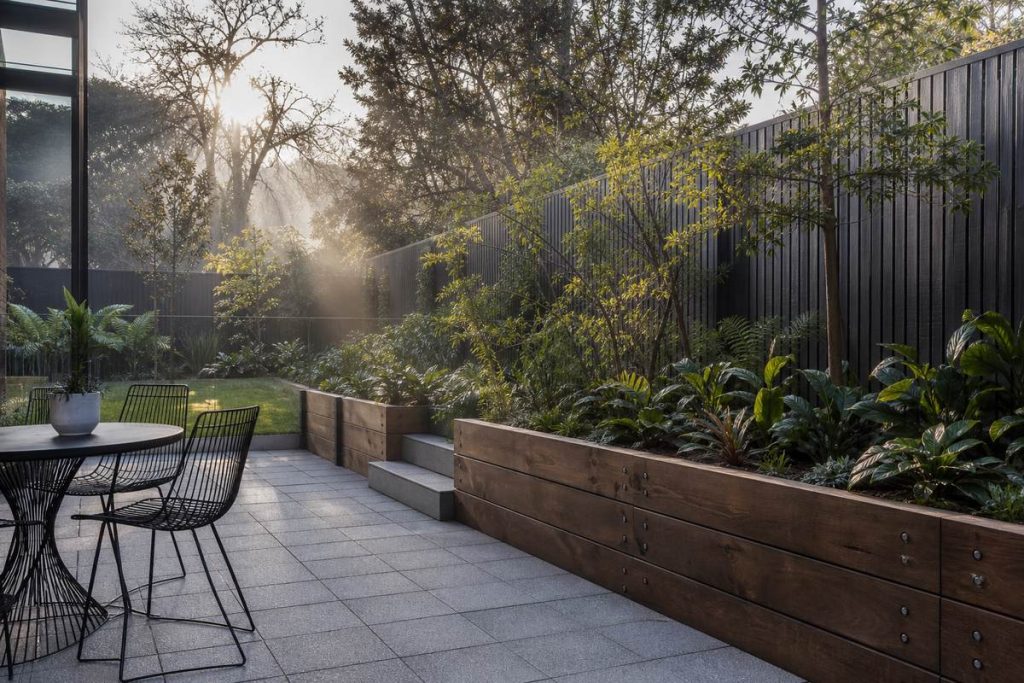
Melbourne winters might be mild compared to other parts of the world, but the combination of heavy rain, frost and cool temperatures can take a real toll on outdoor areas. Whether you have a paved entertaining space, a tiered garden with retaining walls, or a front path that needs to handle foot traffic all year round, the right preparation now can save you time and money when spring arrives.
At Fulton Brickyard, we see plenty of Melbourne homeowners tackling winter-related issues that could have been avoided with better material choices and a little seasonal maintenance. Here is a practical guide to getting your outdoor space winter-ready.
Why Melbourne Winters Are Hard on Outdoor Surfaces
Melbourne’s winter weather is unpredictable. One week you might have days of steady rain followed by overnight frosts, then a burst of sunshine. This constant cycling between wet and cold conditions creates several challenges for outdoor materials:
- Water absorption and freeze-thaw cracking — porous materials absorb moisture that expands when temperatures drop below zero overnight, potentially cracking pavers or mortar joints.
- Moss and algae growth — damp, shaded areas become slippery and unsightly when moss takes hold on pavers and stone surfaces.
- Soil movement and drainage issues — saturated ground shifts and settles, undermining retaining walls and causing uneven paving.
- Staining and efflorescence — mineral deposits rise to the surface of bricks and pavers as moisture moves through them.
Understanding these risks is the first step toward protecting your investment in outdoor living.
Start With Drainage: The Foundation of Winter Protection
Before you think about sealing or cleaning, check your drainage. Standing water is the single biggest threat to outdoor surfaces in winter. Walk your property during or just after rain and look for areas where water pools rather than flowing away.
Common drainage fixes include:
- Grading adjustments — ensure paved areas slope away from the house at a minimum of 1 per cent fall.
- Channel drains — install strip drains along patio edges or where hard surfaces meet garden beds.
- Aggregate drainage layers — behind retaining walls, a layer of gravel with agricultural pipe directs water away from the structure and prevents hydrostatic pressure buildup.
- Garden bed grading — top up mulch and reshape beds so water flows toward drains rather than pooling against walls or paving.
Getting drainage right protects every other material in your outdoor space and is well worth the effort before winter sets in properly.
Choosing Pavers That Handle Melbourne Winters
Not all pavers perform equally in wet, cold conditions. If you are planning a new paved area or replacing worn surfaces, consider these factors:
- Low porosity — dense pressed pavers and certain natural stones absorb less water, reducing the risk of freeze-thaw damage and moss growth.
- Textured finishes — a slightly rough or honed surface provides better grip when wet, especially important on paths and steps.
- Colour stability — quality pavers maintain their colour through years of weather exposure rather than fading or staining.
Clay brick pavers are a standout choice for Melbourne conditions. They are naturally dense, slip-resistant when textured, and their colour goes all the way through — so they look great even after decades of weather exposure. Visit our pavers range at the yard to compare options in person.
Protecting Retaining Walls and Brick Features
Retaining walls work hardest during winter. Increased groundwater and saturated soil place extra pressure on wall structures, particularly timber sleeper walls and dry-stacked block walls.
Before winter arrives, check your retaining walls for:
- Leaning or bulging sections that suggest soil pressure is building up
- Blocked weep holes or drainage outlets — clear any debris so water can escape
- Cracked mortar joints on brick or block walls — repoint before moisture penetrates deeper
- Timber sleepers showing signs of rot or insect damage — consider upgrading to concrete sleepers for a longer-lasting solution
If you are building new retaining walls, concrete sleepers and engineered block systems are the most durable options for Melbourne’s wet winters. They resist moisture, do not rot, and maintain structural integrity for decades.
Seasonal Maintenance Checklist for Winter
A few hours of maintenance now can prevent costly repairs later. Here is a simple checklist to work through before Melbourne’s coldest months:
- Sweep and clean paved areas — remove leaves and debris that trap moisture and encourage moss growth. A pressure washer on a low setting works well for stubborn buildup.
- Apply a quality sealer — if your pavers or natural stone have not been sealed in the last two to three years, now is a good time. A penetrating sealer repels water without changing the surface appearance.
- Clear gutters and downpipes — ensure roof water is directed away from paved areas and retaining walls.
- Check garden edging — make sure edging is still firm and level so soil and mulch do not wash onto paving during heavy rain.
- Inspect outdoor lighting — shorter days mean you will rely on path and garden lighting more, so check that fittings are weatherproof and working.
- Top up mulch — a thick layer of quality mulch insulates plant roots, suppresses weeds and reduces soil erosion during winter rains.
Visit Fulton Brickyard for Winter-Ready Materials
Whether you need durable pavers for a new patio, concrete sleepers for a retaining wall upgrade, or drainage supplies to manage winter water, our team at Fulton Brickyard can help you choose the right products for Melbourne conditions. Drop into our yard at 1 Burwood Highway, Wantirna South, or give us a call on 03 9887 0134 to chat about your project.




- How Many Pavers Do I Need? A DIY Guide to Calculating Paving Quantities
- Planning an Outdoor Entertaining Area and Fire Pit for a Melbourne Summer
- Choosing Pavers for a Melbourne Driveway: Strength, Style and Long-Term Value
- Spring Garden Reset: Preparing Your Melbourne Outdoor Space for the Warmer Months
- Matching Bricks and Materials for Heritage Home Renovations in Melbourne
- Garden Edging Ideas Using Pavers, Bricks and Sleepers for Melbourne Yards
- Using Natural Stone to Build Eye-Catching Feature Walls in Melbourne Landscapes
To learn more about our full range of quality landscaping
and masonry products, call us today:

 03 9887 0134